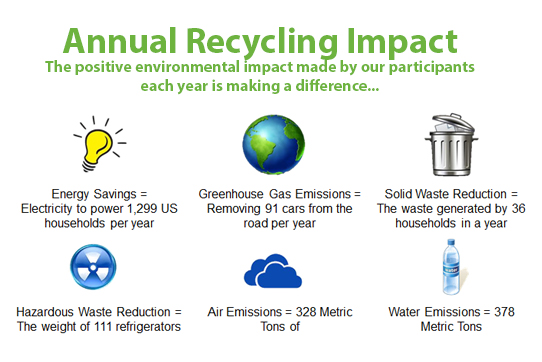
Recycling Impact was calculated based upon the EPA's Calculator. View more details in our R.E.S.T.O.R.E. Report.
Know where your items go! We do not export e-waste, we do not dump e-waste in landfills and we do not utilize prison labor. All items are handled in accordance with the highest industry standards for responsible recycling and data erasure.
More than 80% of all the electronics we receive are reusable and are therefore tested, reconditioned and sold within the United States. The revenue generated from the resale of used consumer electronics helps pay for our warehouse rent, our repair technicians and our ability to pay schools, churches and businesses for an ever increasing number and variety of used and eventually hazardous consumer electronics. We do not receive any State or Federal aid.
The remaining 20% are de-manufactured in the state of Texas. Just as is the case with jewelry, consumer electronics contain more than 17 scarce and other non-ferrous metals - all of which are recoverable and more importantly reusable including silver, gold, platinum, palladium, rhodium, iridium, ruthenium, indium, selenium, tellurium, antimony, tin, bismuth, arsenic and base metals such as lead, copper, nickel.
The mining of metals is the #1 cause of toxic pollution in the United States yet gold, silver and platinum are vital. Approximately 1,320,000 pounds of gold are used annually in telecommunications, information technology, medical treatments, and various industrial applications. Due to its high electrical conductivity, gold is a vital component of many consumer electronics devices including cell phones. Because it is non-toxic and biologically benign, gold is perfect for many medical applications. Surgeons use gold instruments to clear blocked coronary arteries and gold pellets are injected into the body to help obstruct the spread of prostate cancer in men.
In essence the same is true for other metals such as silver and platinum. Both metals are essential to our modern lives yet the excavation and processing of both wreaks havoc on the environment. Five months of production and 20,000 pounds of ore are needed to make a single ounce of platinum yet platinum is vital in everything from anti-cancer drugs and safety airbags in cars to clean fuel cell technology.
Fortunately, you can make a difference. By recycling items made of these vital metals you can earn money for your organization while simultaneously reducing toxic pollution.